Get Faux Painting Service
Faux Painting Service providers help property owners enhance or transform walls and surfaces with decorative finishes, covering issues like dullness, damage, or outdated styles.
Faux painting services offer a versatile way for property owners to enhance the look and feel of interior and exterior spaces. Whether aiming to add texture, depth, or a decorative finish, many local contractors provide solutions tailored to individual preferences and architectural styles. Exploring these options can help property owners achieve a customized aesthetic that complements their space, making it an appealing choice for those considering a refresh or renovation project.
For property owners planning to update or improve their property’s appearance, comparing local faux painting service providers can reveal a range of techniques and finishes available. These professionals can assist in selecting finishes that align with the desired style while offering practical benefits such as durability and visual appeal. Continuing to explore local options can help in making informed decisions about enhancing property value and aesthetic appeal.
- Faux Painting - homeowners seeking decorative wall finishes to add texture and visual interest to interior spaces.
- Marble Effect Finishes - clients wanting a luxurious stone appearance without the cost of natural marble.
- Antique Faux Finishes - property owners aiming to create a vintage or aged look on walls or furniture.
- Venetian Plaster - those looking for a polished, marble-like surface with a sophisticated aesthetic.
- Color Glazing - individuals interested in adding depth and dimension to walls through layered color effects.
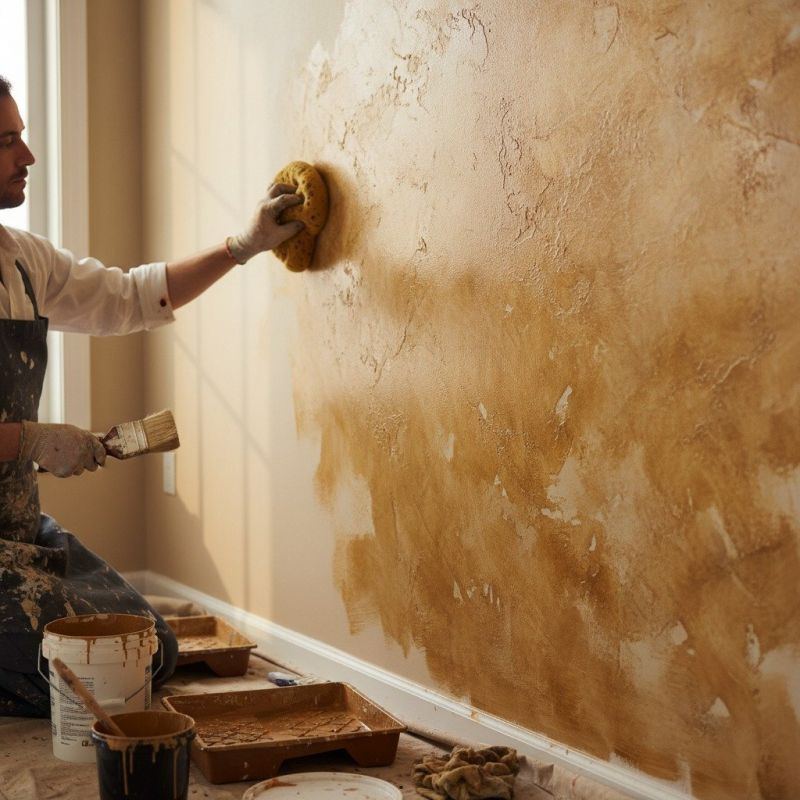
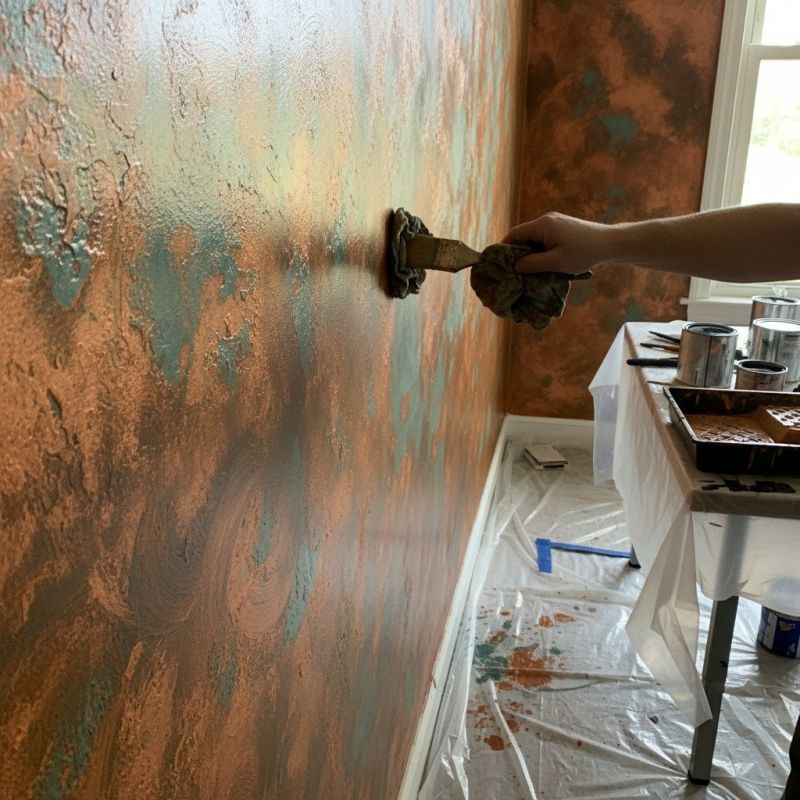
Faux painting services involve applying decorative finishes to interior or exterior surfaces to create the look of more expensive materials like marble, stone, or wood. This technique uses specialized painting methods and tools to add texture, depth, and visual interest to walls, ceilings, or other surfaces. Homeowners often choose faux painting to enhance the aesthetic appeal of a space without the cost or permanence of actual stone or wood installations. It can be a practical way to update a room’s style, add character, or cover up imperfections with a stylish finish.
Many problems can be addressed through faux painting services, especially when existing surfaces have become dull, stained, or damaged. For example, peeling paint, uneven textures, or outdated finishes can be transformed with decorative techniques that hide flaws and refresh the look of a room. Faux painting can also help create a consistent design theme across multiple areas, making it a versatile solution for homes that want a cohesive aesthetic. By adding textured or patterned finishes, homeowners can achieve a high-end appearance without extensive renovations.
Faux painting is commonly used in a variety of property types, including residential homes, apartments, and even commercial spaces. Homeowners who want to personalize their interiors or update a dated look often turn to these services. It is especially popular in living rooms, dining areas, bedrooms, and entryways where a decorative touch can make a significant difference. Additionally, faux finishes are sometimes used in hospitality or retail environments to create inviting atmospheres or distinctive brand aesthetics, making it an adaptable option for different property needs.
Service providers offering faux painting typically work with properties that aim to improve visual appeal or address surface issues in a cost-effective manner. Whether renovating an older home, refreshing a rental property, or adding a unique touch to a commercial space, local contractors can help achieve the desired decorative effect. Faux painting services are a practical choice for homeowners seeking to enhance their property’s style while covering imperfections or updating outdated finishes. Contacting a local professional can help determine the best decorative techniques to suit specific surfaces and design goals.
The overview below groups typical Faux Painting Service projects into broad ranges so you can see how smaller, mid-sized, and larger jobs often compare in your area.
In many markets, a large share of routine jobs stays in the lower and middle ranges, while only a smaller percentage of projects moves into the highest bands when the work is more complex or site conditions are harder than average.
Smaller Repairs - Faux painting projects like accent walls or small decorative touches typically cost between $250-$600. Many routine jobs fall into this middle range, depending on the complexity and surface area involved.
Medium-Scale Projects - Larger areas such as entire rooms or multiple walls usually range from $600-$1,500. These projects are common and often reflect moderate surface preparation and detail work.
Full Room or Multiple Rooms - Complete room transformations or several spaces can cost from $1,500-$3,000, with more intricate designs pushing higher. Fewer projects reach into the upper tiers unless they involve extensive surface prep or custom finishes.
Large or Complex Installations - Large-scale or highly detailed faux finishes, such as murals or textured effects, may range from $3,000-$5,000+ depending on size and complexity. These tend to be less common but are available through local service providers for specialized work.
Actual totals will depend on details like access to the work area, the scope of the project, and the materials selected, so use these as general starting points rather than exact figures.
Decorative Wall Finishes - Professionals skilled in faux painting techniques often handle decorative wall finishes, requiring similar planning and application skills to create textured or patterned surfaces.
Mural and Trompe L'oeil Artwork - Creating murals and trompe l'oeil effects involves detailed painting work and an understanding of visual illusions, aligning with skills used in faux painting projects.
Specialty Paint Effects - Applying metallic, crackle, or plaster effects involves techniques comparable to faux painting, requiring precise tool use and surface preparation.
Interior Wall Restoration - Restoring or refinishing damaged or aged walls often involves skills in surface preparation and finishing similar to faux painting processes.
Textured Ceiling Finishes - Applying textured finishes to ceilings shares techniques with wall faux painting, including spray and brush application methods.
Custom Color Blending - Mixing and matching custom colors for interior spaces involves color planning and application skills that are relevant to faux painting services.
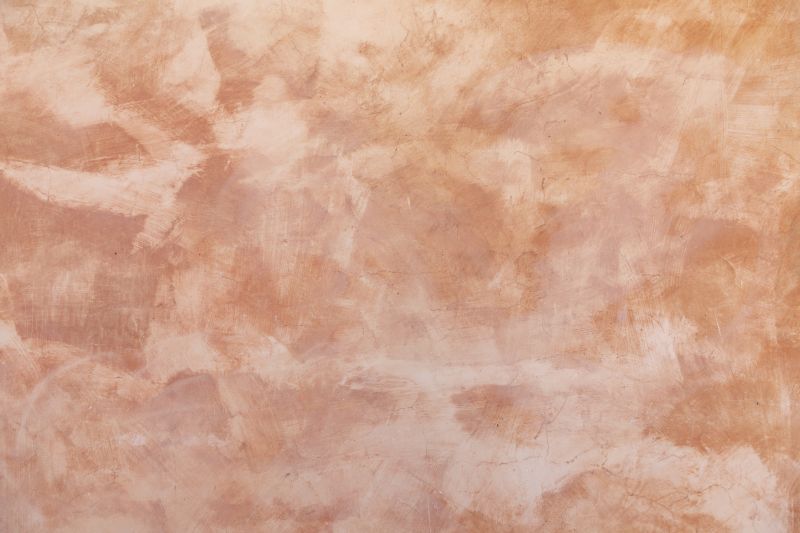
When comparing local contractors for faux painting services, it’s important to consider their experience with similar projects. Homeowners should look for service providers who have a proven track record of handling decorative finishes comparable to what is desired. An experienced professional will understand the nuances of different faux techniques and be able to provide insights into what works best for specific surfaces and styles. Asking about past work or viewing portfolios can help gauge whether a contractor's expertise aligns with the homeowner’s vision and project requirements.
Clear, written expectations are essential to ensure everyone is on the same page before work begins. Homeowners should seek service providers who can articulate their process, materials, and scope of work in a detailed manner. Having a comprehensive written outline can help prevent misunderstandings and ensure that the project’s goals are well-defined. It’s also helpful to clarify what the contractor will deliver, the timeline, and any responsibilities the homeowner may have, fostering transparency and a smoother working relationship.
Reputable references and good communication are key indicators of a dependable service provider. Homeowners should ask for references from previous clients to gain insight into the contractor’s professionalism, reliability, and quality of work. Additionally, service providers who are responsive and clear in their communication tend to be easier to work with and more likely to address questions or concerns promptly. Since the site introduces homeowners to local options rather than performing the work itself, it’s advisable to contact multiple service providers directly, compare their experience, expectations, and references, and choose the one that best matches the project’s needs.
Property owners use Faux Painting Service services for practical projects around their homes and businesses. This guide focuses on everyday jobs and straightforward project options.
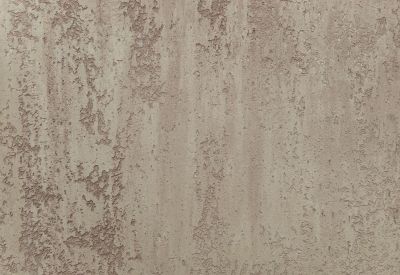
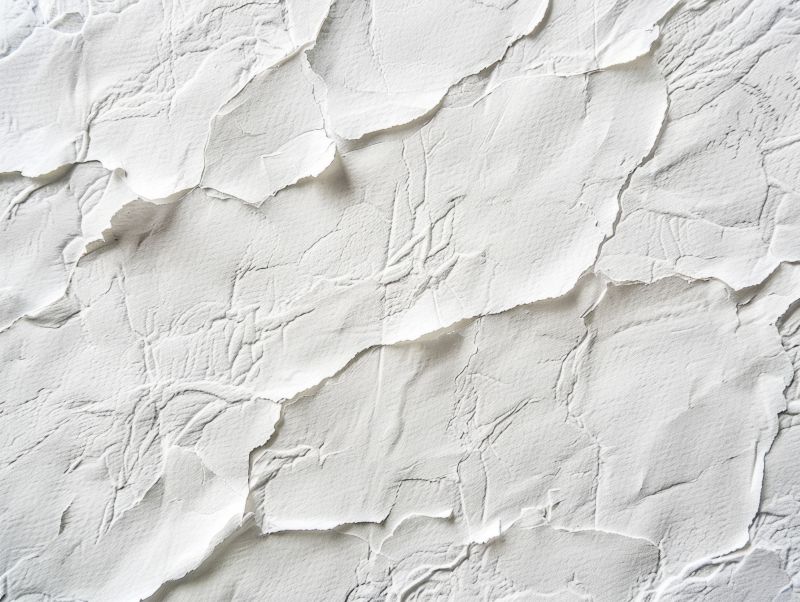
Faux painting services are often sought after by property owners looking to refresh or update the look of interior or exterior surfaces. Whether it's adding a textured finish to living rooms, creating a decorative accent wall, or enhancing outdoor features, local contractors can provide creative solutions that give spaces a unique and personalized appearance. These projects are common during renovations, home staging, or simply when homeowners want to add a touch of elegance without the cost of complete remodeling.
Property owners might also look for faux painting services to cover imperfections or outdated finishes, helping to improve the overall aesthetic of a property. Whether preparing a home for sale or simply aiming to modernize a space, local service providers can offer expert advice and craftsmanship to achieve the desired look. Connecting with experienced contractors ensures that the project is handled efficiently and with attention to detail, making it easier to transform a property’s visual appeal.
What is faux painting? Faux painting is a decorative technique that creates the appearance of textures, patterns, or finishes, such as marble, wood, or stone, on walls and surfaces.
What types of finishes can faux painting achieve? Faux painting can replicate a variety of finishes, including marble, granite, wood grain, plaster, and antique effects, among others.
Are faux painting services suitable for residential or commercial spaces? Faux painting services are versatile and can be used to enhance both residential and commercial interiors with decorative finishes.
How do local contractors prepare for faux painting projects? Contractors typically prepare surfaces by cleaning, repairing, and priming them to ensure the best adhesion and finish quality for faux painting techniques.
What are common faux painting techniques used by professionals? Common techniques include sponging, rag rolling, glazing, and stippling, which help achieve various textured and decorative effects.
Accent Walls and Feature Areas - Enhance a room’s style by creating a bold focal point with textured or faux painted walls that reflect personal taste.
Updating Old or Worn Surfaces - Refresh outdated or damaged surfaces with decorative finishes that add visual interest and extend the life of interior features.
Custom Color and Texture Effects - Achieve unique wall appearances by using specialized techniques that complement existing decor and interior design themes.
Restoring or Replicating Architectural Details - Improve the look of moldings, columns, or other architectural elements with faux finishes that add depth and character.
If you are thinking about Faux Painting Service for a property, this guide is meant to help you understand the work, the typical project types, and how different options might fit your plans.
When you are ready, you can use the quote form on this page to share a few details about your project. From there, local pros can review the basics and respond with options that match what you have in mind.